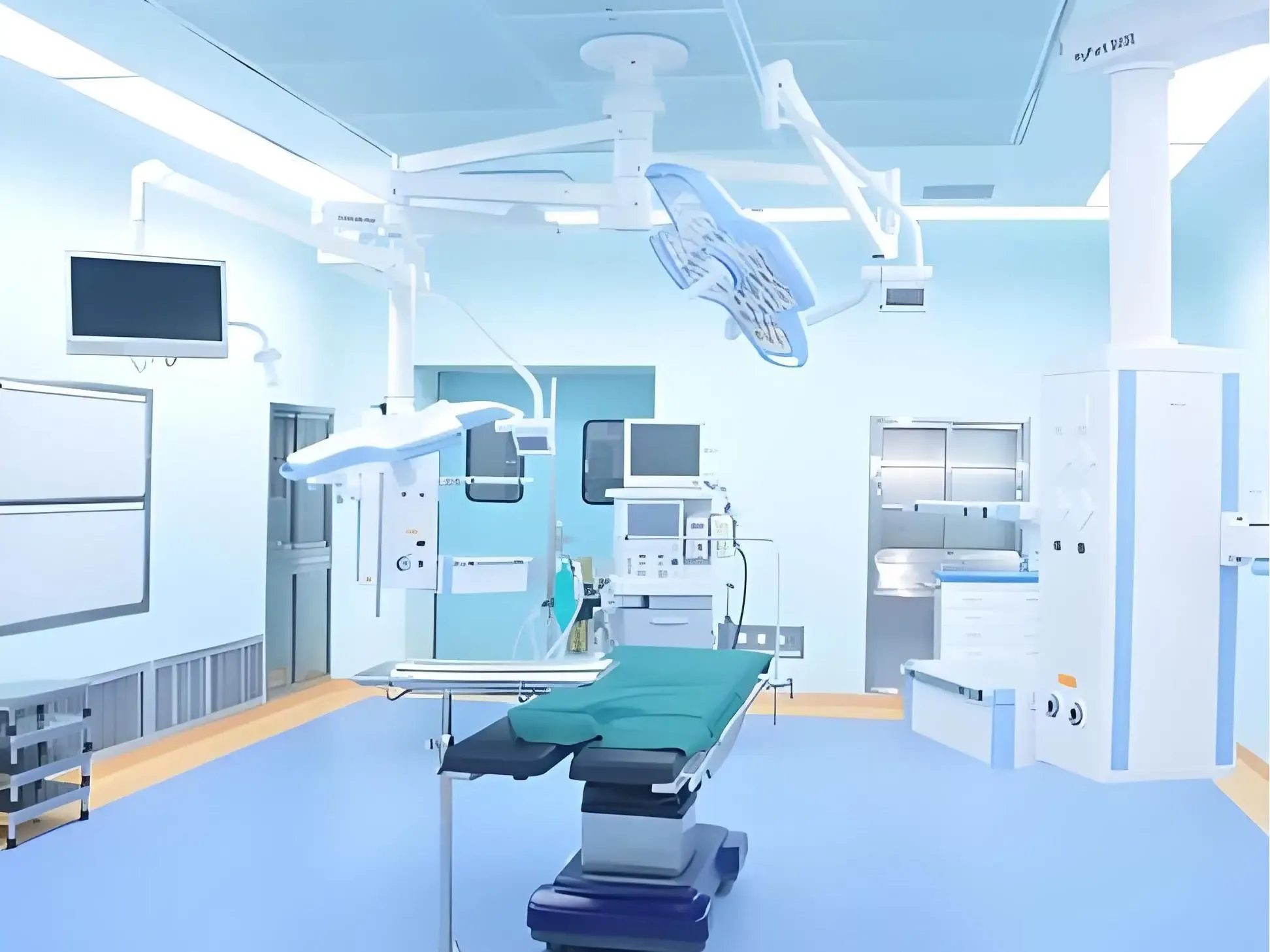
Comparison of different panel types: mineral wool, polyurethane, EPS. Recommendations for selection based on project requirements.
Sandwich panels are the core material for cleanroom enclosure structures, and their selection directly affects cleanroom performance, safety, and service life. EMT offers three mainstream sandwich panel solutions, each with unique advantages and applicable scenarios.
Rock wool sandwich panels are renowned for their outstanding fire resistance, achieving Class A fire rating (non-combustible material). The rock wool core is made from natural basalt melted at high temperatures and spun into fibers, offering excellent thermal and acoustic insulation. They are ideal for cleanrooms in pharmaceutical, chemical, and other industries with extremely high fire safety requirements. The disadvantage is higher density and weight, requiring stronger structural support.
Polyurethane (PU) sandwich panels have the best thermal insulation performance, with thermal conductivity of only 0.022-0.024 W/(m·K), far superior to rock wool at the same thickness. They are also lightweight, high-strength, and quick to install, making them suitable for food cold chain, biopharmaceutical, and other fields requiring strict temperature control. However, their fire rating is generally B1 (flame retardant), requiring additional fire protection measures.
EPS (polystyrene) sandwich panels offer the lowest cost and lightest weight, suitable for general electronics cleanrooms with lower fire and insulation requirements. EMT recommends that clients consider cleanliness grade, fire codes, temperature control requirements, and budget comprehensively. Our engineering team provides free technical consultation and solution design services.
Rock wool sandwich panels are renowned for their outstanding fire resistance, achieving Class A fire rating (non-combustible material). The rock wool core is made from natural basalt melted at high temperatures and spun into fibers, offering excellent thermal and acoustic insulation. They are ideal for cleanrooms in pharmaceutical, chemical, and other industries with extremely high fire safety requirements. The disadvantage is higher density and weight, requiring stronger structural support.
Polyurethane (PU) sandwich panels have the best thermal insulation performance, with thermal conductivity of only 0.022-0.024 W/(m·K), far superior to rock wool at the same thickness. They are also lightweight, high-strength, and quick to install, making them suitable for food cold chain, biopharmaceutical, and other fields requiring strict temperature control. However, their fire rating is generally B1 (flame retardant), requiring additional fire protection measures.
EPS (polystyrene) sandwich panels offer the lowest cost and lightest weight, suitable for general electronics cleanrooms with lower fire and insulation requirements. EMT recommends that clients consider cleanliness grade, fire codes, temperature control requirements, and budget comprehensively. Our engineering team provides free technical consultation and solution design services.